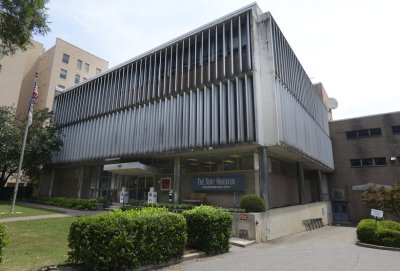
So I Might get Published


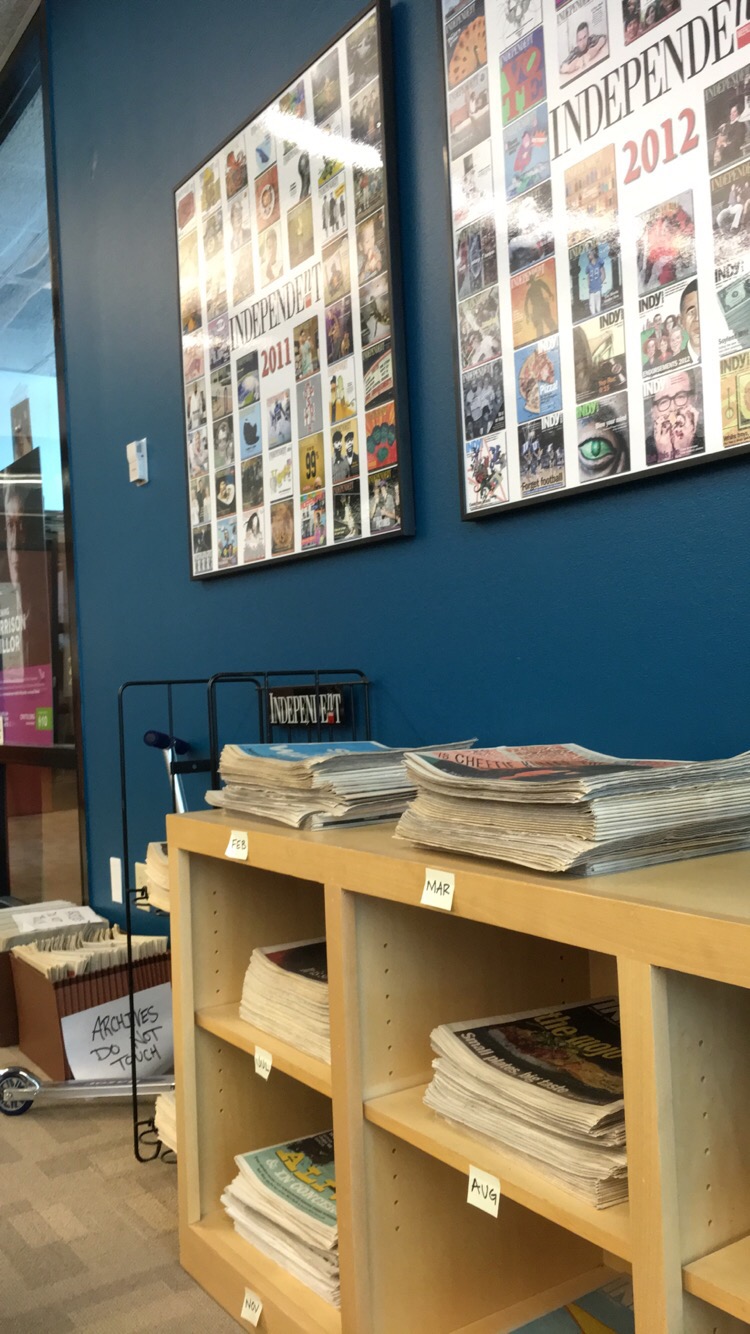
I’m here at the INDY Newsweek HQ and it’s been an incredibly informative day so far.

The day started with a sort of inadvertent crash course on the basics of a newspaper or any sort of news organization, and evolved into a discussion about the basics of journalism as a field. Jeff Billman asked and answered questions with detailed stories and examples, especially about the nature of procuring and editing a story.

The conversation spiraled away and somehow he ended up reading an article of mine I had written a few months earlier about the infamous Shower Club at CA, and he even asked me to write about 3000 words on it by mid June for potential publication, so I’m really excited to work on that!

Now I’m just shadowing an editor’s meeting in which they discuss funding, covers, art and logistics for the publication of the next issue of INDY.

-Rosie

Reaghan day 3 

Today was relatively laid back with not as many meetings to attend. Most of our day consisted of editing & uploading the video from Courtney’s social selling class, which has to go through an approval process before being sent out to all of SAS’s social selling department.  There were a few meetings after lunch with Courtney’s co-workers, but it was really interesting to hear how the team is putting the program together. Social selling is a fairly new department for SAS, so it’s a building process. SAS locations all around the world have social selling reps, and one of Courtney’s responsibilities is to travel to these other locations. She uploads really cool pictures of her travels to the Facebook page linked, it’s definitely worth checking out! 

Day 3: Check 1, 2, 3

Waking up today was glorious, because we had an extra two hours of sleep which begun the day strong. Nothing was scheduled until around 9 o’clock, so the doctors didn’t need us at the hospital until then.

When we arrived a doctor named Leah told us that we could try hearing tests on each other and experience what patients experience at the hospital. I had never gotten my hearing checked before so it was all very new to me. We entered a soundproof room and begun checking each others ears like we’d seen Dr. McElveen do several times. Once everything was set, we begun the testing. Kiran left the room and I put on a set of over-ear headphones. He began emitting a sound at 1,000 hz, and tested to see when the lowest db I could hear it at. After 10-20 minutes of various frequencies we switched and I began testing him. The machine to test was complicated and it took a while to get used to it. I managed to successfully test his hearing and we both recorded the results. Shockingly, his hearing was perfect and mine was only slightly under perfect, so you can image what the rest of the day was like for me. It was fairly unclear who had better hearing after our first test, but we both scored in the normal hearing range. The second test was simply saying words through the microphone and the patient had to repeat the words back to the doctor.

Day 3b

If a patient scored in the profound hearing range, then they are candidates for cochlear implants which will grant you the ability to hear again, but at a cost. The reason that only certain patients are candidates for cochlear implants is because surgically implanting them will ultimately wipe out the rest of your hearing. Any time you don’t have the assisting aid on your ear you’re practically deaf, but on the brighter side as long as you have the implant your hearing will sky rocket. How the implant works, is the surgeon cuts near the patient’s temporal bone and inserts a small mechanism right near the ear. Two long strands connected to the device are implanted in the cochlea and a small magnet is implanted behind the ear. A device on the outside also contains a magnet, and is positioned so that the magnets connect through the skin. This device then sends twenty-two electrodes into the cochlea, which contains thousands of damaged electrodes, and grants the patient a limited amount of sounds their ear can process.

Day 3a

After the hearing test it was around noon which is our lunch break, but everyone seemed to be out that day so Kiran and I ate alone in the lunch room.

After lunch Kiran and I split up again and I sat with Kate in her office and she explained so much to me about diseases and cochlear implants. She showed me diagrams and hearing aids and gave me papers. We had a great conversation, which ended up lasting around two hours: the fastest two hours of my life. By that time it was around 3 or 3:30, so I headed back to my room and continued my work and read some of the papers Kate gave me. By the time I was done Kiran had come out of the room with Nicolle and we headed back home.

All in all it was a day of learning and growth.

Day 2: The Surge of Surgery

Today picked up tempo quickly and suddenly. We began by meeting Dr. McElveen at Duke Hopsital, and had difficulty finding the entrance to the Same-Day Surgery building. We arrived 10 minutes early, so he hadn’t arrived yet and we were instructed to ask another nurse in the back about his whereabouts. Each nurse directed us further and further in the building and eventually we were in the middle of the building, surrounded by surgeries and doctors. Dr. McElveen laughed when he found us and led us through the labyrinth and towards the changing station. We put on scrubs and were thrown into a room where Dr. McElveen began surgery on a patient who suffered from damage towards the ear drum. I couldn’t quite tell whether or not it was cochlear implant surgery, but whatever it was was fascinating to me and Kiran. Ear surgery is far too cramped for me, it gives absolutely no room for error or else the patient could go deaf. All surgery is precise and requires steady hands, but there is nothing in accord with watching ear surgery. Dr. McElveen does the entire procedure under a microscope, which Kiran and I tried afterwards on a temporal bone. Carolina Ear & Hearing Clinic has one of the two temporal bone labs in the country, and Kiran and I were given the chance to mimic Dr. McElveen’s surgery procedure. We were given microscopes and tools to understand how difficult it is to do surgery under a microscope with such limited movement.Scrubs.jpg

Afterwards Dr. McElveen had to go to South Carolina so Kiran and I were sent back to the hospital to resume our experience. We were assigned a paper on Stapedectomy’s and Otosclerosis, and we learned what the procedure is for dealing with it. Otosclerosis is the buildup of bone tissue in the outer ear around the stapes. This prevents the stapes from transmitting sound energy to the inner ear, causing the victim to suffer from either conductive or mixed hearing loss. Stapedetomy is the procedure done to continue the flow from the outer ear to the inner ear. The surgeon does an incision on the two arms of the stapes and cuts a whole in the stapedotomy which is a wall connected to the stapes. A piston-like object, called the prosthesis, is then connected to the incus is strung through the stapedotomy.

Dr. McElveen had to go to South Carolina for the rest of the week so Kiran and I split up and spent the rest of the day with separate doctors. I saw some interesting patients, some were impatient and curt white others were amiable. Nicolle, the doctor I was working with, knew all of the patients well because she’d spent so much time with them, and it was interesting seeing her interact with the ones she was fond of and the ones she wasn’t as fond of.

All in all I learned a lot about diseases in the ears and about how to deal with certain patients and how to be patient.

Day 1: What’s Up Doc?

Day 1 was an enriching experience with Dr. McElveen and his numerous patients. When Kiran and I arrived, we were nervous entering the enormous, winding office that the doctors worked in. We began with a staff meeting, where Dr. McElveen and his associates organized everyone’s schedule for the month. The staff worked well as a group, they were quite supportive and the staff meeting was a great way to observe everyone interact. During the meeting they celebrated the engagement of Kate, an associate, and commemorated John-Thomas Junior for the graduation of his children. Finally, the meeting was over and everyone split up into their own work spaces in the winding and confusing office.

Day 1.jpg

Next, Kate gave us a tour of the building and showed us where Kiran and I would set up our stuff for the week. We didn’t spend much time in there at all, though, we were often on our feet and participating in check-ups with patients. In fact, Kiran and I faced some adversity spending the entire day today on our feet, moving from room to room with Dr. McElveen and his patients and always standing in the corner, observing. It was fantastic listening to each patients story, every one of them had known Dr. McElveen personally, because he had worked with them for so many years.

We didn’t learn many logistical aspects of ear surgery or even the anatomy of the ear. We were taught that the ear consisted of three central bones, the malleus, the incus, and the stapes, but that was it for the most part. We watched Dr. McElveen remove a hearing aid from a patient under a microscope that was enhanced on a television screen in the corner, which was fascinating. Another patient was a young child who couldn’t work their hearing aid so that was interesting.

For the most part we focused on treating and handling patients today, and meeting the other doctors and learning about their individual specialties.

My Cold Calling Adventure

I hate talking on the phone.
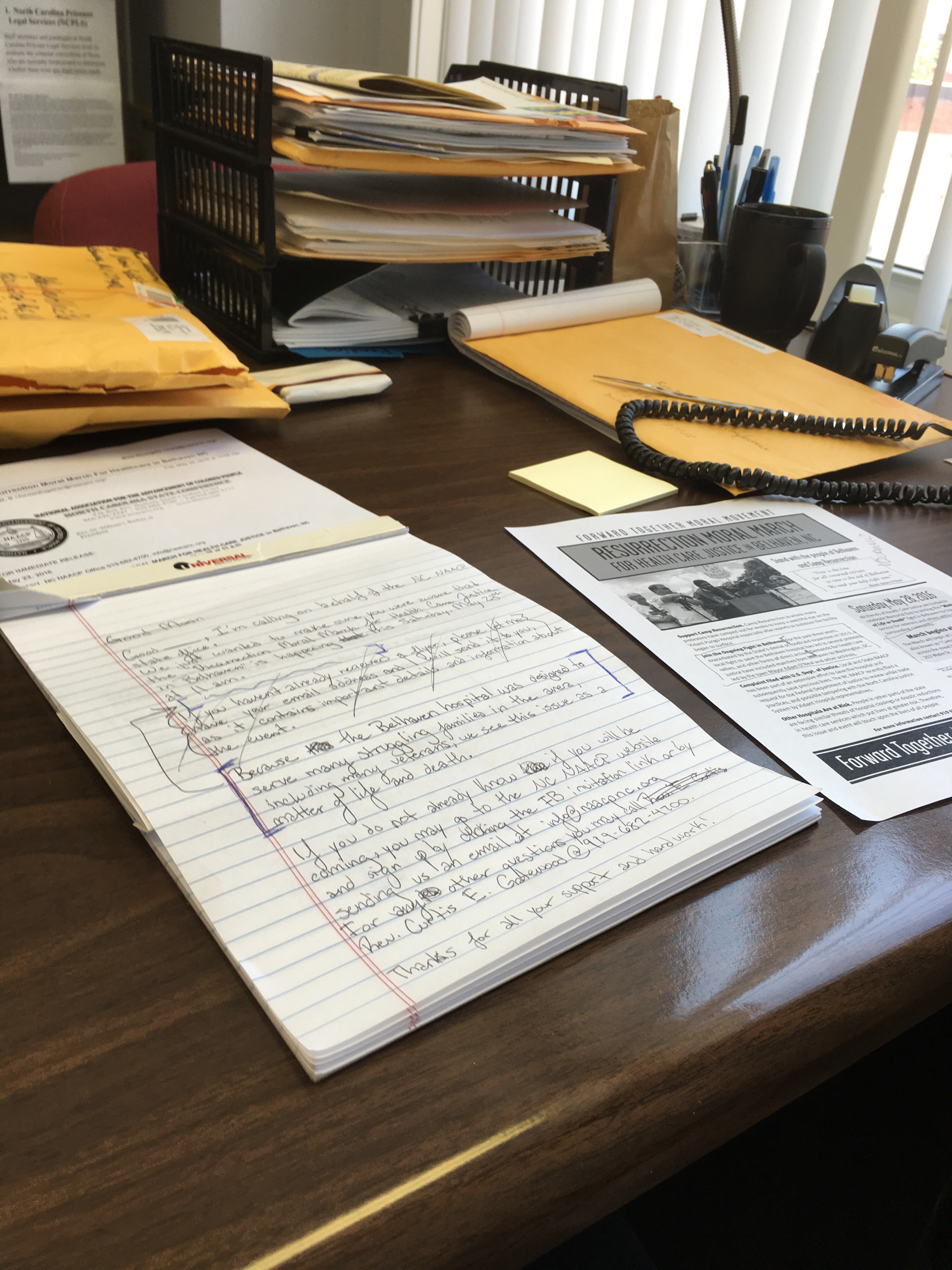
Growing up in a world where my communication skills were honed by the written word–something that we have in common with the generation just before telephones–I’m often unsure of what to do or proper protocol in formal phone calls, especially with adults who don’t think twice about it. So having to read from a script I wrote myself was challenging for me and my social anxiety, though the task itself is obviously extraordinarily simple. But busy work like cold calling is integral to a multi-faceted organization like the NAACP, and it was at least informative to see how day to day operations like that work.


-Rosie

Day 3 there future

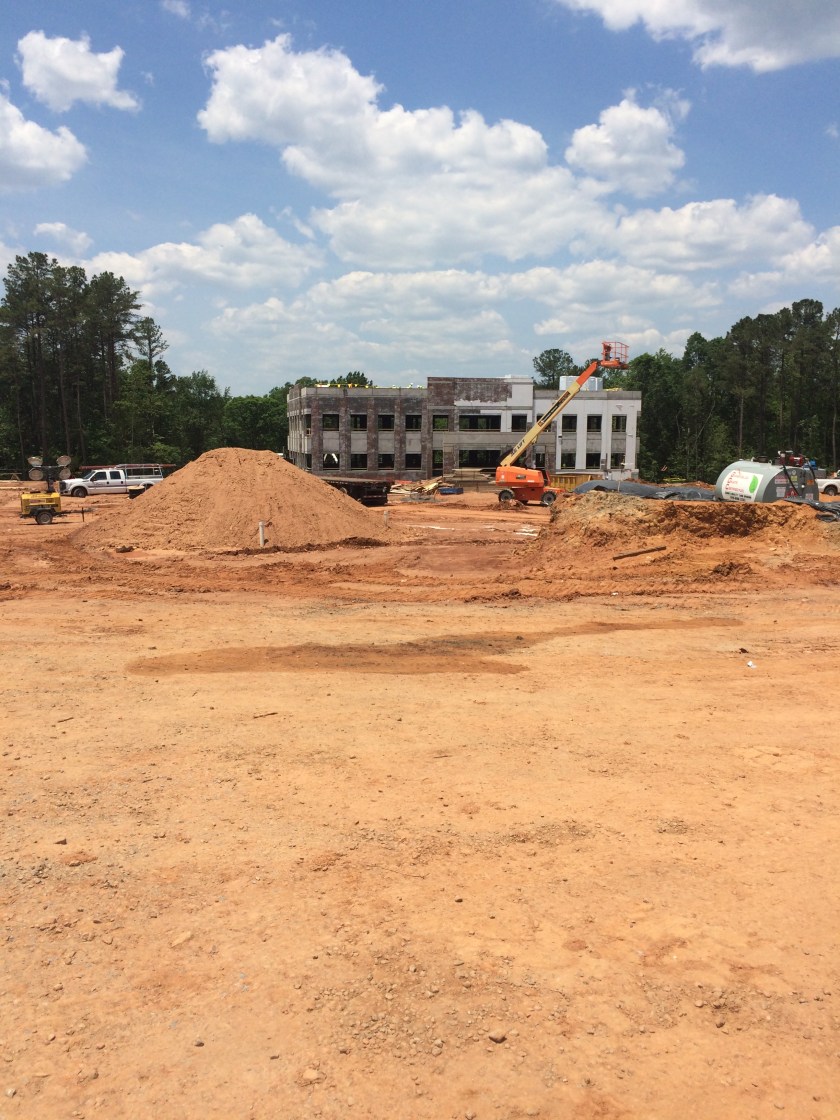
I started out in a conference call about one of there newer projects triangle orthopedics MRI pad and they had a broad overview like how is it coming sense the walls just went up yesterday then he sent me to drop off a package for the same project the contract he sent me to 2510 because that is the address he was given so I went there but there is no 2510 blue ridge so it was 3 buildings later that we found out it was actually 2501 and I finally delivered it and when I got back I went with them to there big office lunch at page road grill and they were going over the vacancy’s in there buildings. We then went to the site the meeting this morning was about and met with the person working the project with him at the site because they need to decide where they are putting the sign which is a lot harder than I thought. They still have not decided they need to talk to the guy that they are building for to help. When we got back to end we met with someone to upgrade there conference room with something that allows 8 people to project on there tv at once.

–Drewimage

Katie Day 3-Hall of Famers

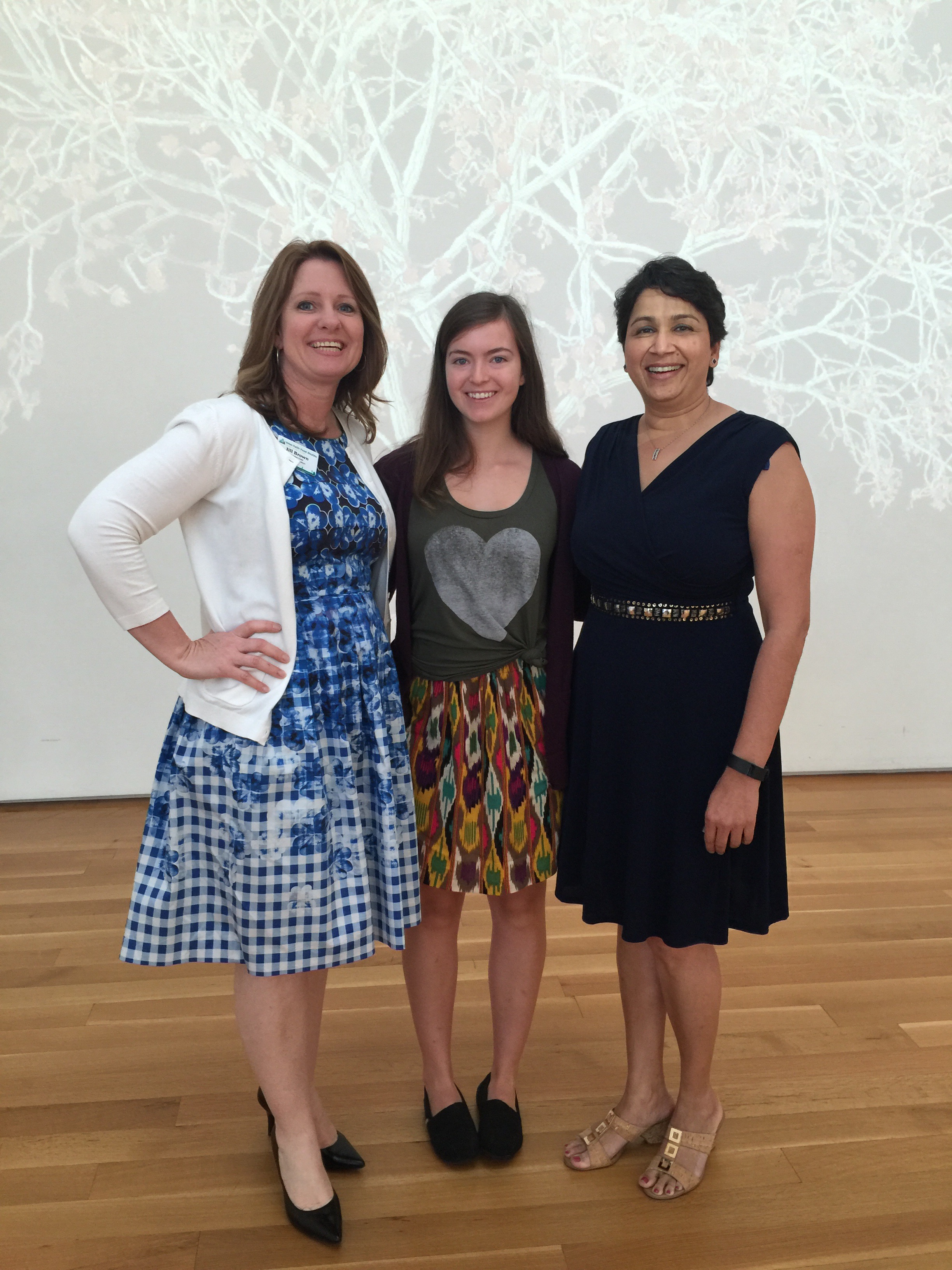
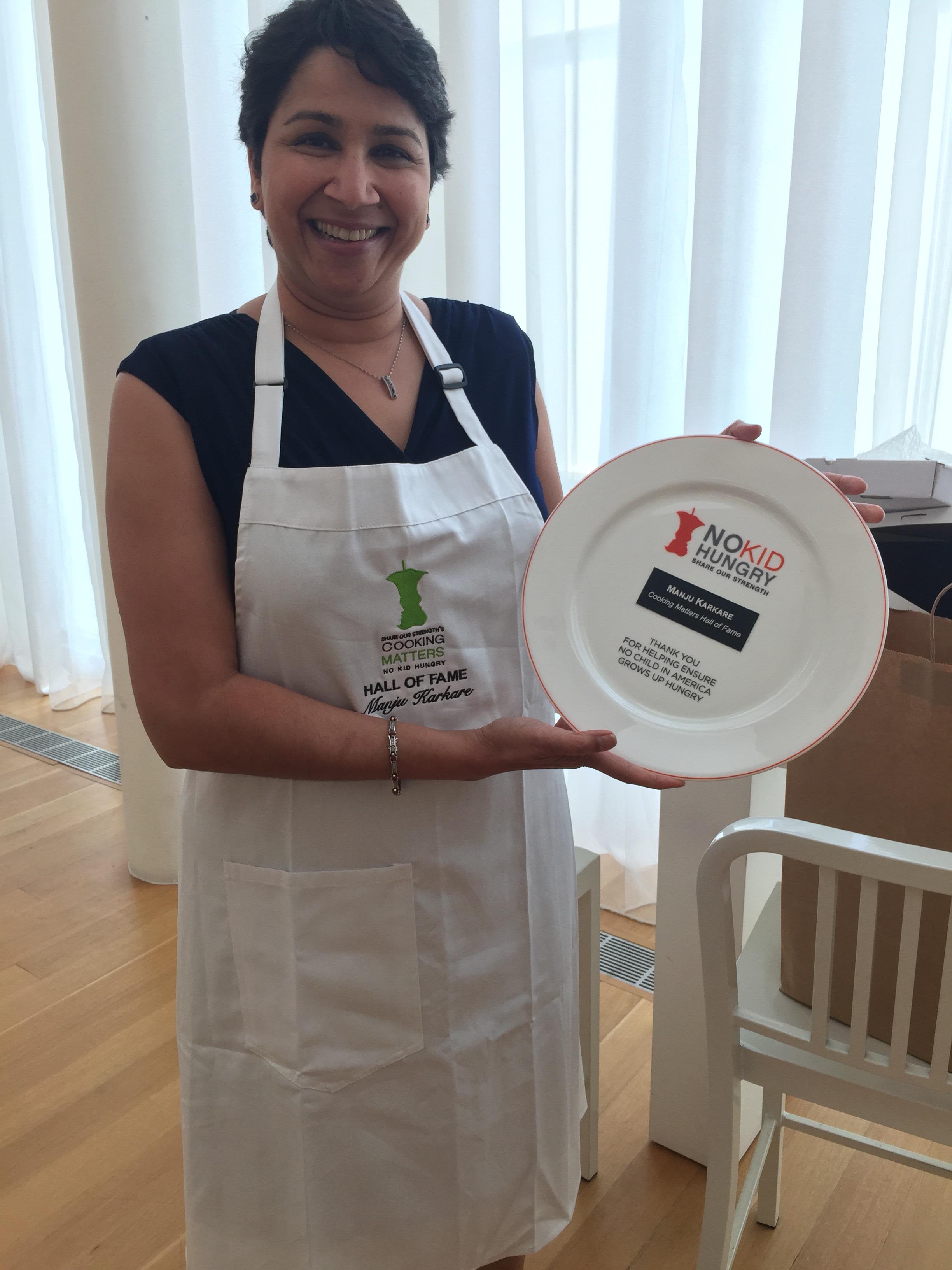
Today I had lunch with Ms. Brown, Ms. Karkare and a few other friendly faces from the Interfaith Food Shuttle hub. Above, I am standing with the two women I am working with, and below Ms. Karkare is showing off her Cooking Matters gear. She was inducted into the “Cooking Matters Hall of Fame” for her great work volunteering with the program. This afternoon, I visited the Poe Health Education Center and spoke with the dietitian and dietetic interns that work there about the field and their jobs.

Day 3 @ Dunn PT

Today I got to see a lot more dry needling therapy today. There were a lot of patients that had sour muscles and the needles help to access the muscles and dry needles are the best way to release a lot of the tension in the muscles. A lot of the patients complain about how painful they were, but after the needles would come out the patients loved the results.

Another patient who was having neck pain needed to use a machine. The machine is a retracting machine. The purpose of the machine is to stretch out the vertebrae in the neck in order to release the pressure on the nerves which release pain to different parts of the body. The patient lays on the table and there neck goes in between the two sides

image

(sorry this is not of the machine put together. I couldn’t get a picture of it put together because we can’t have pictures of the patients). The PT then adjusts the sides to fit to the patient’s neck. The machine then slightly lifts the neck to relieve the pressure off of the nerves which helps relieve the patient’s pain. 

Day 3 – From Print to Internet (N&O)

N&O - BuildingToday, I spent the morning at the News & Observer office in Downtown Raleigh. Despite initially having trouble finding the entrance to the building, I managed to arrive a few minutes early. Once there, I met Susan Spring the Director of Newsroom Operations.  I spoke to Susan for a little while before she gave me a tour of the Newsroom. She explained to me the basic layout of the floor and points of interest. They have a large screen on one of the walls that shows statistics from their website. She then showed me their research library, which houses a log of almost all the N&O papers over printed and other resources for the reporters to access for research. Then we met up with a group of 3 new hires and interns from McClatchy Co., their parent company. I walked around with them for a while as they were also taking a tour of the office. We also were able to sit in on the morning news meeting where all the reporters and other employees come together and plan out when their stories are going to be put up on the N&O website as well as whether they will contain video or not.

Once the meeting was over I met with one of their newer hires (she started Monday), Presley. She was hired specifically to work on a newer project of theirs called Collegetown. From what I gather, it is going to be used as a news outlet for the four major school in the Triangle: Duke, UNC, NC State, and Central. She was very determined to find new and interesting ways to get out the news out to people so that college students would be actively engaged in the content produced by the Collegetown site. She mentioned that they were planning on working with students who attend the college for articles since they would actually be there.

After speaking with Presley for a while I met two of the guys who handle photo and video editing. I had a lovely conversation with them about media and how people interact with videos. We talked about how videos are presented, what goes into them, as well as how&when people view them. We also spoke about video games a little bit, and how they have affected the media.

Lastly, I spoke with an investigative journalist, Daniel Kane, who was not a fan of his job title. He is a strong believer that all journalists no matter what they work on or where, they should all be investigating and asking “Why”. Daniel was the one who broke the story about the “Paper Class” scandal at UNC. He said it stared out as a different story but evolved when he found the discrepancies in the grade books. He thinks journalism is a good way to bring attention to things that are broken so that they might get changed.

Overall, visiting the N&O was a lot more exciting than I originally thought it was going to be. I found the varying opinions on the direction of the paper news to be very interesting, as well as the amount of both new and old technologies present at all the desks. I also got a t-shirt! AND A COOL PEN!

-CJ